

Get your SPOT Price with the COUPON we sent you:Indoor Floor Standing Kiosk

Dys
Hrs
Min
Sec
Flash
Sale

WHY ARE COLORS NOT THE SAME ON DIFFERENT DEVICES?

Many people assume that all electronic devices should display the same colors, especially when they are from the same brand or model. In reality, this is not the case. If you place two identical monitors side by side and display the same image, there is at least a 95% chance that the colors will look different.

Why does this happen?

These differences can be noticed not only between monitors, but also among TVs, projectors, printers, and other devices. Even when the content is exactly the same, the visual result may vary. There are three main reasons for this:


1. Different Color Mixing Methods

There are two primary methods for producing color:

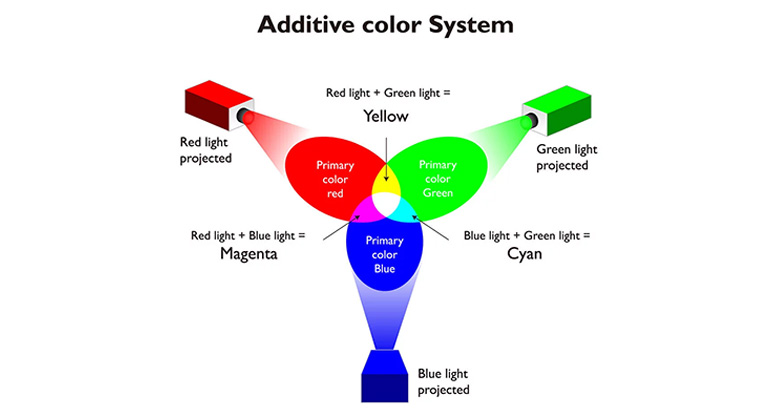
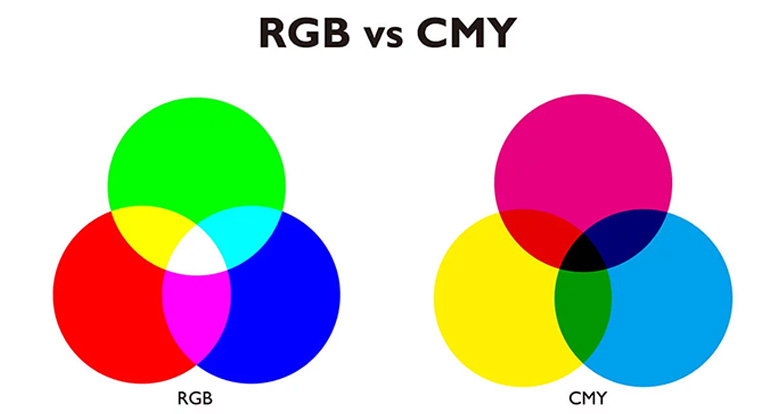
  • Additive color mixing (RGB): used by monitors, LED/OLED displays, and projectors. Colors are generated by light. When red, green, and blue light combine, they produce white.
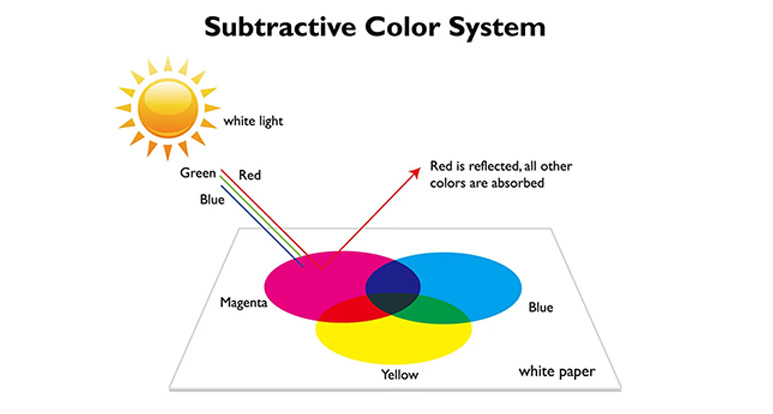
  • Subtractive color mixing (CMY/CMYK): used in printing. Colors are created by pigment absorbing light on a surface such as paper. Combining cyan, magenta, and yellow produces, in theory, black.

Since the physical principles are different, the resulting colors cannot perfectly match between screens and printed materials.

2. Manufacturer Color Preferences

Each manufacturer calibrates its displays differently to achieve what they consider the best visual effect:

  • Some enhance vividness
  • Others focus on natural tones
  • Others optimize brightness or contrast

Because of this, even two screens from the same brand may appear slightly different depending on the intended use (gaming, photography, video viewing, etc.).

3. Manufacturing Variations
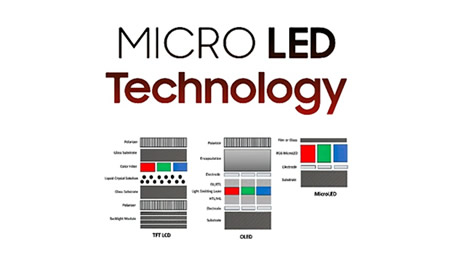
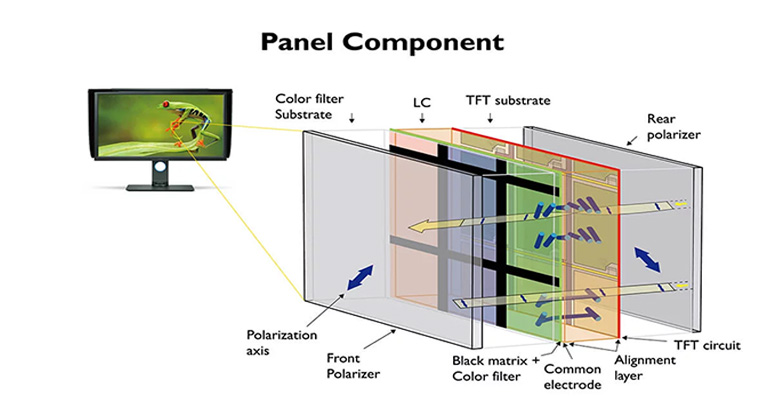
An LCD panel is made up of many layers (backlight, polarizers, liquid crystals, color filters, etc.).
Each layer can have a small production tolerance often around 2–5%.
When multiplied across 10+ layers, the final color variation can reach 15–20%.

Result: two new, seemingly identical monitors can still display different colors.

Conclusion

Color differences across devices occur for three main reasons:

  • Different manufacturer calibration standards
  • Differences between additive (screen) and subtractive (print) color mixing
  • Component variations in mass production

In the next article, we will discuss how to calibrate devices to achieve the most consistent color appearance between screens, prints, and different display technologies.

Share

More Technologies

NEW DISPLAY TECHNOLOGIES ARE REDEFINING THE INTERNATIONAL MARKET

Advanced LCD, OLED, MiniLED, MicroLED, transparent displays and artificial intelligence open a new generation of professional visual solutions.   The international professional display market is going through a phase of strong technological evolution, driven by the demand for panels that are increasingly advanced in terms of brightness, contrast, resolution, energy

Read more »

Digital Signage 2026 New Technologies for Small and Large Format Displays

Digital signage is experiencing a new phase of acceleration. From compact countertop monitors to large-format window and wall displays, the goal is clear: communicate better—more brightly, reliably, and with easier management.   Today, companies are looking for solutions that truly operate 24/7, remain clearly visible in any lighting condition, and

Read more »

THE 5 TYPES OF TOUCH SCREEN TECHNOLOGY: A COMPLETE GUIDE

In the fast-evolving world of interactive technology, touch screen monitors are revolutionizing the way we interact with digital devices. From industrial applications to consumer electronics, the demand for reliable and efficient solutions is constantly growing. World Trade Display (WTD), a leading provider of high-quality touch screen solutions, presents a complete

Read more »

VIRTUAL DISPLAYS, THE NEW CULTURAL SHIFT

The future of television: toward virtual displays Technological and cultural evolution is pushing television beyond the limits of the physical screen. From old CRTs to LCDs and now to the latest OLEDs, the “TV” has always been tangible. Today, with the advance of augmented reality (AR), virtual reality (VR), and

Read more »

SUMMER HOLIDAY CLOSURE 2026

Please be informed that World Trade Display will be closed for the annual summer holidays from August 10, 2026, through August 31, 2026 (inclusive). Our regular business activities will resume on Tuesday, September 1, 2026.

Please also note that during the last week of August, our offices will be operating for administrative activities only. During this period, no goods will be shipped or received.

Should you have any special requirements, we kindly ask you to contact us in advance. We will be pleased to evaluate the best possible solution and provide you with our full support.

Thank you for your continued cooperation. We take this opportunity to wish you a pleasant and relaxing summer holiday.