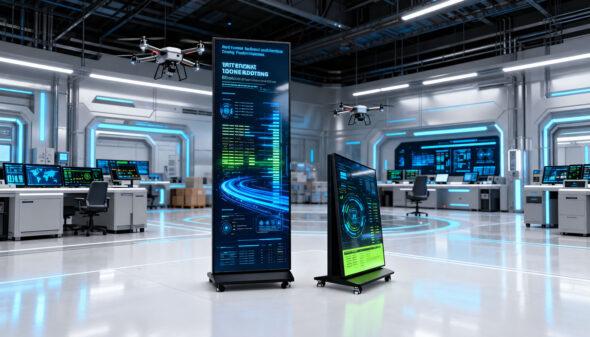


Advanced LCD, OLED, MiniLED, MicroLED, transparent displays and artificial intelligence open a new generation of professional visual solutions.
The international professional display market is going through a phase of strong technological evolution, driven by the demand for panels that are increasingly advanced in terms of brightness, contrast, resolution, energy efficiency, operational reliability and integration with intelligent systems. The latest innovations in LCD, OLED, MiniLED and MicroLED technologies are deeply changing the way displays are designed and used in retail, industrial, medical, gaming, automotive, hospitality, digital signage and public communication applications. One of the most important developments concerns the evolution of professional LCD systems with advanced backlighting.
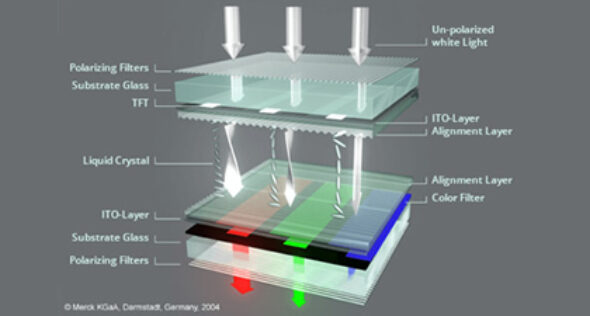
New architectures make it possible to achieve higher brightness levels, improved panel uniformity, better thermal management and greater stability during continuous operation.
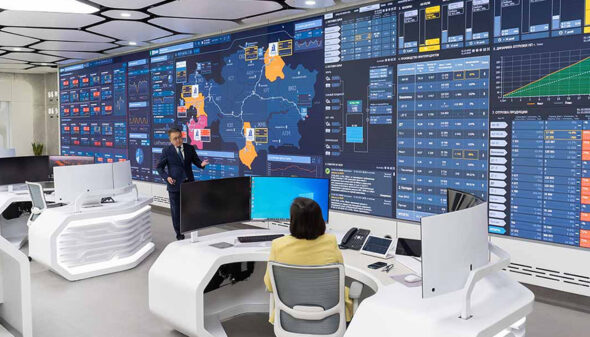
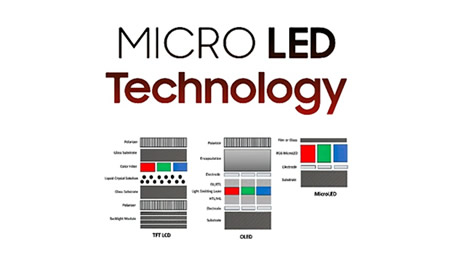
This makes LCD technology still one of the most reliable solutions for 24/7 applications, interactive kiosks, open frame systems, touch monitors, vending machines, industrial automation and high-intensity indoor/outdoor installations. MiniLED technology represents an important step forward in the evolution of LCD backlighting. Thanks to the use of extremely small LEDs and a very high number of local dimming zones, MiniLED displays allow more precise light control, higher contrast, deeper blacks, higher brightness peaks and improved HDR performance. This technology is particularly suitable for professional monitors, gaming displays, control rooms, broadcasting, medical imaging and premium digital signage. At the same time, OLED technology continues to stand out for its ability to emit light at individual pixel level, eliminating the need for a separate backlight. This allows absolute blacks, virtually infinite contrast, extremely fast response times, wide viewing angles and ultra-thin designs.
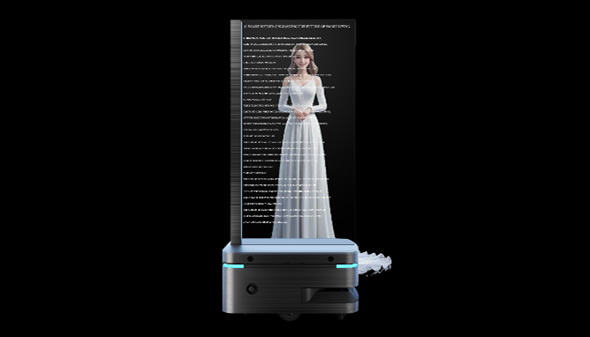
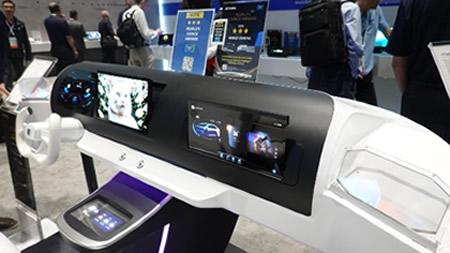
New generations of OLED panels are also improving in terms of lifetime, brightness and burn-in protection, expanding their possible use in professional and commercial environments. One of the most promising areas is represented by transparent OLED displays, which allow digital content to be displayed while keeping the environment or product behind the screen visible. This technology opens up new applications for retail windows, showrooms, museums, airports, hospitality, automotive and architectural installations, where visual content can be directly integrated into the physical space. MicroLED technology is considered one of the most advanced platforms for the future of the display market. Unlike LCD, it does not require backlighting; unlike OLED, it uses self-emissive inorganic micro LEDs, offering high brightness, long lifetime, high energy efficiency, no typical burn-in issues related to organic materials and the possibility of creating modular large-format screens. These characteristics make it particularly interesting for high-end videowalls, luxury installations, control rooms, broadcasting, automotive, professional cinema and corporate environments. Another area of development concerns high refresh rate displays, increasingly requested in gaming, simulation, sports, e-sports and immersive applications.
High refresh rates, reduced response times, low latency and improved video synchronization allow smoother and more precise visualization, improving both user experience and interaction quality. Thermal management is also becoming increasingly relevant. The increase in brightness, pixel density and continuous use requires more advanced design solutions: optimized heat dissipation, intelligent temperature control, more stable materials and electronic protection systems. Proper thermal management is essential to ensure panel lifetime, color stability and long-term reliability. Alongside panel evolution, the importance of control electronics is also growing. Driver boards, integrated Android controllers, OPS systems, HDMI, DisplayPort, USB-C interfaces, touch controllers, environmental sensors and connectivity modules now make it possible to transform a display into a complete, connected platform that can be easily managed remotely. In this scenario, artificial intelligence is becoming an increasingly strategic element. New display systems can integrate AI algorithms to automatically optimize brightness, contrast, energy consumption, color calibration, anomaly detection, predictive maintenance and dynamic content management.
In more advanced digital signage systems, AI can help adapt the message according to the context, time of day, audience flow or environmental conditions. The combination of advanced displays, sensors, management software and artificial intelligence is leading to a new generation of visual solutions: screens that are no longer passive, but intelligent, interactive, connected and able to communicate with the surrounding environment. World Trade Display closely follows these technological developments at international level, selecting LCD, OLED, MiniLED, MicroLED, open frame, touch monitor, floor stand, gaming display, digital signage and custom systems designed for high-value professional applications. The goal is to offer the market increasingly high-performance, reliable and customizable products, supporting customers in choosing the most suitable technology according to application, operating conditions, required brightness, operating cycle, interfaces, mechanical integration and project budget.
World Trade Display
Professional solutions for LCD, OLED, touch monitors, open frame systems, digital signage, gaming displays and custom visual systems.