

The Display & Digital Signage solutions developed by World Trade Display are designed to deliver dynamic messaging at every level, meeting the needs of a constantly evolving market. Our technologies are applied across multiple sectors, including Window Facing Display, DOOH, Retail & Hospitality, Self-Service Ticketing, Gaming & Entertainment, and Vending, creating visual communication experiences that truly stand out from the ordinary.
Each solution is carefully designed to provide real value: enhancing the customer experience, driving sales, improving services, strengthening brand identity, and creating more engaging and functional environments. Attention to design, material quality, and long-term reliability makes our products versatile and high-performing in any application context.
At the same time, we provide integrated platforms that simplify the creation, scheduling, and centralized management of digital content. This smart approach ensures maximum efficiency, while maintaining the flexibility needed to adapt to local conditions, business requirements, and audience preferences in real time.
In a landscape where digital communication is increasingly strategic, WTD stands out for its ongoing pursuit of new technologies and its ability to transform creative ideas into concrete, high-impact solutions. Innovation, reliability, and customization are the pillars guiding every project, with the goal of delivering tools that anticipate market needs and open new business opportunities.
Get your SPOT Price with the COUPON we sent you: Indoor Floor Standing Kiosk
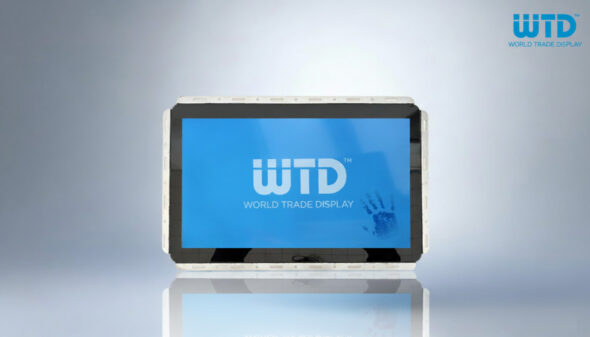
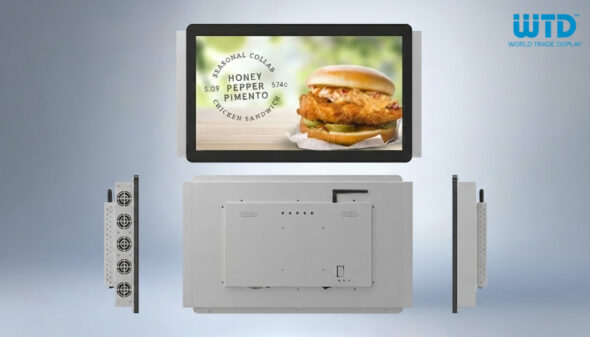
The outdoor open frame solutions developed by World Trade Display are engineered to deliver high performance in any environmental condition. Each model features high-brightness LED backlighting, deep contrast, and enhanced eco-compatibility, ensuring excellent readability even in direct sunlight.
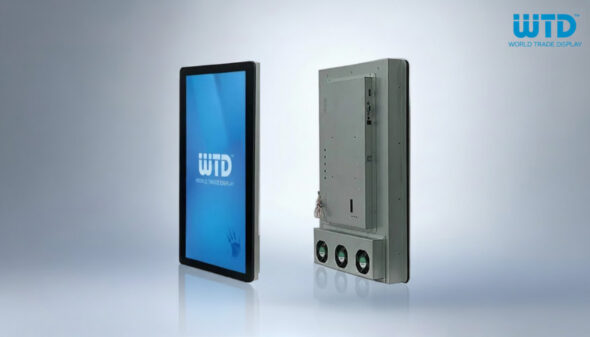
All series are equipped with a default cooling fan system, automatically managed by microchip, to keep the internal temperature stable. They also incorporate industrial-grade panels capable of operating in temperature ranges from -35°C to +75°C, ensuring long-term reliability and durability.
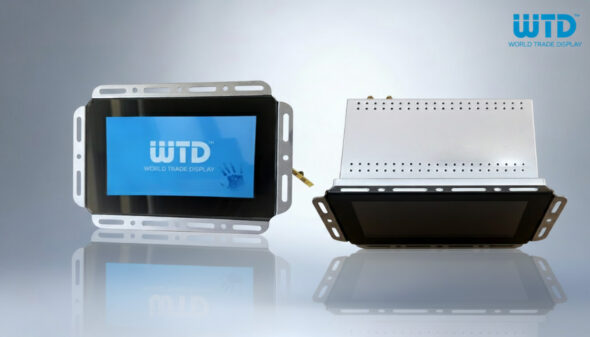
The WTD outdoor open frame displays are designed for integration into kiosks, vending machines, and self-service outdoor solutions, ideal for 24/7 operation without external buttons or controls, minimizing the risk of tampering.
Available in a wide range of sizes, they are perfect for applications such as vending, digital kiosks, totems, and interactive systems. They also support multiple operating systems, including Windows, Android, and Linux, with versions available pre-equipped with Android boards or integrated Windows PCs.
The motherboard market is experiencing a sharp increase in costs, mainly driven by DRAM memory shortages and high chip prices, further aggravated by the surge in demand from the AI sector. This trend, expected to continue until 2028, has led to a significant drop in sales and is forcing a return to older technologies such as DDR4.
Below are the key details regarding the cost increase:
The situation is critical, with price increases affecting not only key components but the entire PC ecosystem as well, including motherboards, which are also being impacted by memory shortages. Accordingly, due to the ongoing increases in the cost of components and other materials, as previously communicated in our email since February, all prices agreed upon earlier and all quotations issued are no longer to be considered valid. Please contact our sales department for updated information and to confirm product availability.